The bill shock is the story
For the last couple of years, AI coding tools were sold with a comforting promise: pay a monthly fee, then stop thinking about cost. GitHub Copilot has now made it clear that this phase is ending.
Its new usage-based billing for individuals is live, and the early reaction has been exactly what happens when a product suddenly feels metered instead of unlimited: confusion, anger, and a lot of screenshots. Developers are discovering that what felt like ordinary Copilot usage under the old system can look very expensive under the new one.
That matters beyond GitHub. Copilot is one of the most mainstream AI developer products in the market. If even Copilot is moving away from flat-rate logic, the broader message is obvious: the all-you-can-eat era for AI is fading, and the metered era is taking its place.
What GitHub actually changed
GitHub used to frame Copilot consumption around requests. That simplified the customer experience, but it also hid the real difference between a quick chat question and a long, expensive coding workflow. Those interactions may feel similar to the user while costing the provider very different amounts to run.
Now individual plans are tied to AI credits. According to GitHub’s docs, 1 AI credit equals $0.01. Each interaction is priced based on the model used and the volume of input, output, and cached tokens involved.
The key number for many developers is the allowance: the $10 Copilot Pro plan includes 1,500 credits per month. That sounds manageable until you remember that the plan is no longer a firm cost ceiling. It is closer to a bundled credit balance with an overage path attached.
Why users are suddenly alarmed
The sticker shock is easy to understand once you look at the numbers. Ars Technica highlighted examples in which a relatively simple prompt consumed 94 credits. More complex prompts reportedly burned 171 credits, and one widely shared example used 700 credits in a single interaction.
On a 1,500-credit monthly allowance, that changes the economics fast. Two 700-credit prompts and most of the month is gone. Even smaller tasks add up quickly once you layer in code reviews, refactors, test generation, retries, and agent-style flows.
That is why developers are talking about “exploding bills” even when the subscription branding still looks familiar. The meaningful question is no longer whether you pay for Copilot. It is what kind of Copilot usage you are triggering, on which model, and how often.
Copilot stops being a background convenience and starts looking more like any other variable technical resource.
The irony of Auto mode
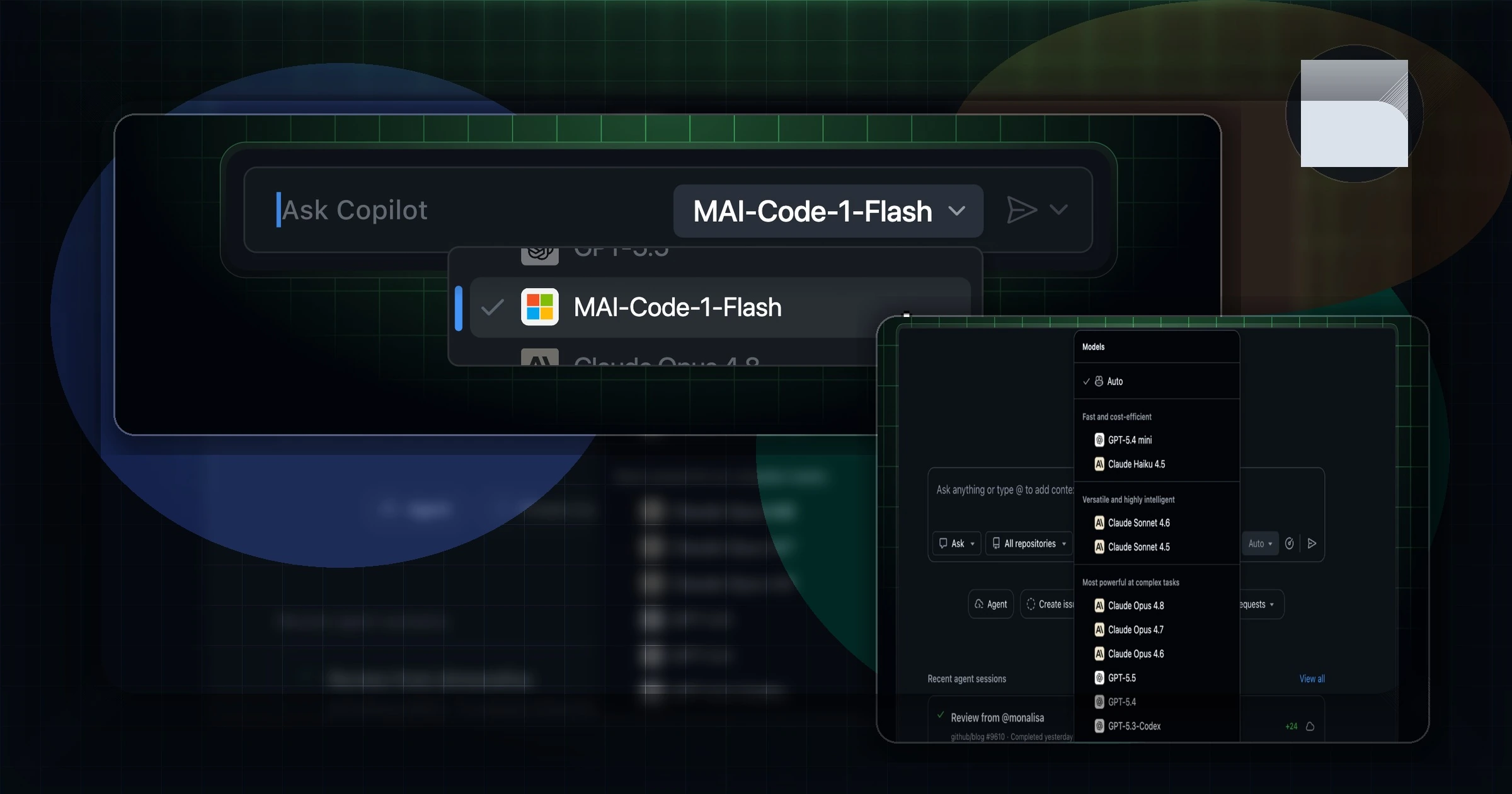
One of the most uncomfortable details in this transition is Auto mode. In theory, automatic model selection is there to reduce friction. Most developers do not want to manually route every prompt. They want the product to make a sensible choice.
But in a usage-priced environment, convenience can become a billing risk. Users have reported that Auto sometimes selects expensive models for very simple requests. If that happens, a casual question can consume far more credits than the developer intended.
GitHub says paid users receive a 10% discount on model costs when using automatic selection in certain Copilot experiences. That helps, but only at the margin. The bigger issue is that model choice is now a budget decision, not just a quality decision.
The wider industry is hitting the same wall
It would be a mistake to read this as just a GitHub pricing controversy. The larger industry is running into the same problem: AI gets expensive very quickly once it moves from demos into daily production use.
TechCrunch recently described this moment as the point when “the token bill comes due.” One of the clearest examples came from Uber, which reportedly spent its entire 2026 AI budget by April. That is the kind of number that changes executive conversations overnight.
This is happening even as some per-token prices fall, because usage is rising even faster. Better models, larger context windows, and more autonomous agents all push total spend upward. The efficiency story is real, but the consumption story is stronger.
That is also why the Linux Foundation announced the intent to launch the Tokenomics Foundation, aimed at creating open standards, benchmarks, and best practices for AI cost management. The name may sound niche, but the signal is important: the market now needs shared discipline around token economics the way cloud eventually needed FinOps.
Once AI becomes a variable operating cost, governance stops being optional.
The end of AI as a buffet
The deeper story is cultural. Flat monthly pricing made AI feel abundant. Once the subscription was paid, every additional prompt felt free at the margin. That was great for adoption and for building user habit.
But the model was always fragile. As AI systems became more capable, more agentic, and more expensive to run, somebody had to absorb the cost. Increasingly, that somebody is the customer.
So the mindset changes. Instead of “I already pay for this, so I might as well use it,” teams now have to ask whether a task is worth the credits, whether a cheaper model would do, and whether the productivity gain survives contact with the invoice.
Welcome to the metered future. It is less magical, but more honest about the economics underneath the interface.
What developers should do now
The first step is simple: watch usage actively. If Copilot exposes a usage dashboard, it should become part of the normal workflow. Developers and teams need to know which tasks and models are consuming the most credits.
Second, set spending limits. GitHub allows additional budgets for metered products. Without those guardrails, a fixed-fee tool can quietly become an open-ended expense.
Third, be more deliberate about model choice. Not every task needs a frontier model. Small edits, straightforward questions, and routine assistance can often be handled with cheaper options. Save premium models for harder debugging, architecture decisions, or larger code changes where the extra quality is worth the burn.
It also helps to tighten prompt discipline. Bloated context, careless retries, and oversized requests are no longer harmless habits. They are cost drivers.
What this change really means
GitHub Copilot’s pricing update is not just a backlash story. It is a clear sign that the AI market is moving out of its subsidized-feeling phase and into a measured one.
AI coding assistance is still useful, and probably still indispensable for many teams. But it is no longer safe to treat it as infinite. Copilot simply made visible what the rest of the industry is also learning: the flat-rate era is over, and from here on out, using AI to write code means learning how to read the meter.